Transform Your Vehicle With Premium Auto Tint and Wraps Solutions
Enhancing a car with premium auto tint and wraps can greatly boost its visual appeal and functionality. These services provide a mix of style and protection, tailored to individual tastes and requirements. From shielding UV rays to better temperature control, the benefits are obvious. Yet, selecting the right choices and installation methods can feel daunting. Grasping the different aspects of auto tint and wraps is crucial for an informed decision. What should be thought of next?
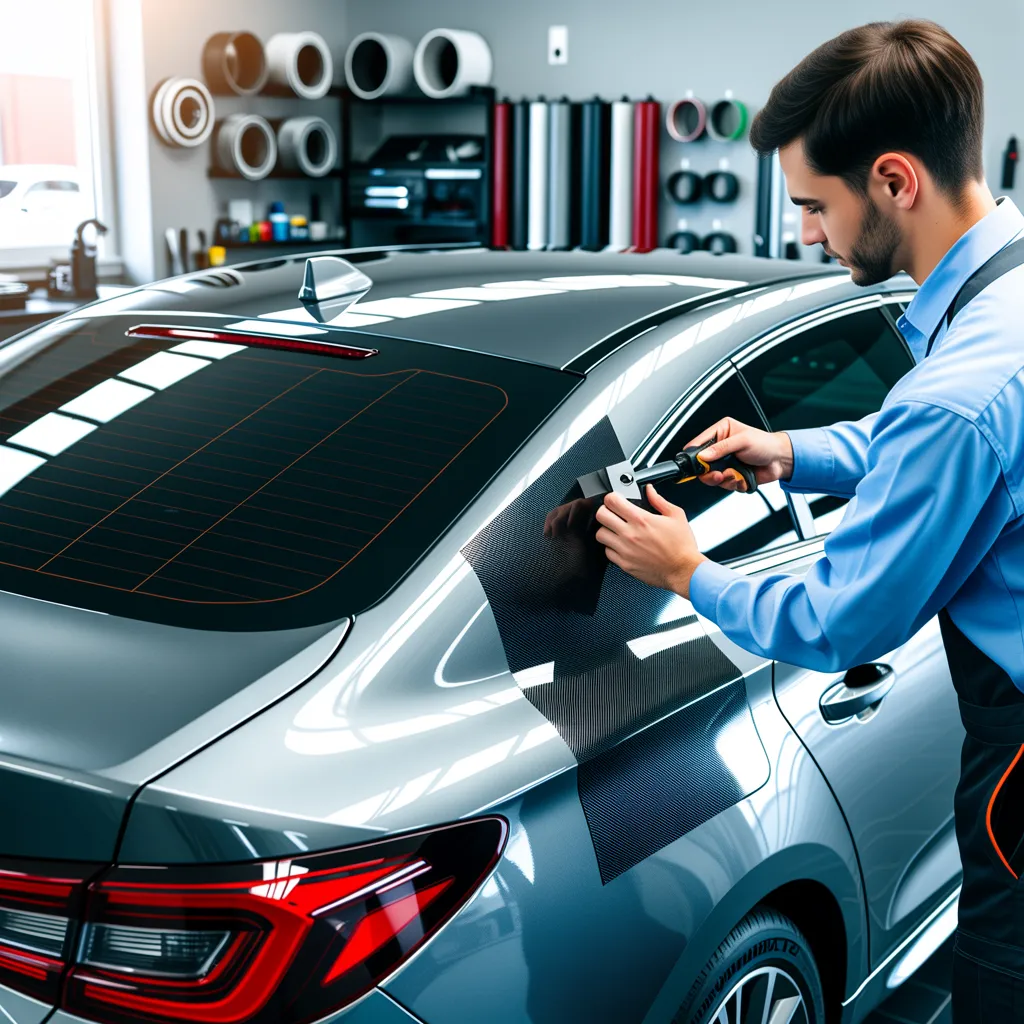
The Advantages of Premium Auto Tint and Wraps
Premium auto tint and wraps enhance both the visual and operational qualities of vehicles. These applications offer a sleek appearance, allowing vehicle owners to demonstrate their individuality while keeping a professional look. Additionally, premium auto tint functions as a protective barrier against dangerous UV rays, decreasing interior fading and shielding passengers from sun exposure. It can also help manage vehicle temperature, adding to overall comfort.
Additionally, premium wraps offer a layer of protection against scratches and minor abrasions, preserving the car's original paint. This can be especially advantageous for those seeking to preserve resale value. Furthermore, wraps can be easily removed or changed, providing versatility for those who desire to update their vehicle's look without a permanent commitment. In summary, premium auto tint and wraps combine style with practical advantages, making them a valuable investment for any vehicle owner.
Kinds of Auto Wraps to Evaluate for Your Car
When evaluating vehicle upgrades, auto wraps offer various types, each offering unique benefits and aesthetic options. One common choice is the full wrap, which envelops the entire vehicle, enabling a complete transformation in color and design. This option can significantly change the vehicle's appearance while also providing protection against scratches and UV damage.
Partial wraps act as an alternative option, highlighting designated zones such as the hood, roof, or doors. This solution is perfect for those seeking to make a impression without overpowering the original paint job.
For organizations, bespoke graphic coverings featuring logos and branding can boost visibility and market offerings effectively. Additionally, specialty wraps, including matte, gloss, and metallic finishes, deliver distinctive finishes and visual appeal. Each type of auto wrap fulfills separate roles, making it vital to evaluate personal preferences and vehicle requirements when picking the best option.
How to Determine the Correct Auto Tint for Your Vehicle
Selecting the appropriate window tint requires comprehending the various types offered and ensuring adherence with regulatory requirements. Varying tinting products and tones can impact appearance, thermal control, and seclusion. Familiarity with local laws is essential to prevent possible penalties and confirm the chosen tint aligns with automotive standards.
Types of Tint: A Detailed Overview
Opting for the ideal auto tint can substantially improve both the aesthetics and utility of a vehicle. Numerous tint types are obtainable, each offering unique advantages. Dyed window film is cost-effective and supplies privacy while blocking UV rays. Metalized tints turn back heat and strengthen durability, making them suitable for climates with intense sunlight. Ceramic window films, though pricier, present superior heat rejection and clarity without interfering with electronic devices. Additionally, hybrid tints incorporate elements from both dyed and metalized films for a compromise option. When deciding on a tint, one should consider factors such as heat rejection, visibility, and personal style preferences. Ultimately, the right tint type can upgrade a vehicle's appearance while ensuring essential protection.
Compliant Tint Regulations
Grasping auto tint requirements is important for anyone considering auto tint setup. Each state maintains specific statutes controlling the permissible amount of tint darkness, typically measured by Visible Light Transmission (VLT) percentages. For illustration, certain states allow darker tints on rear windows while restricting front-side and windshield tints to lighter hues. Furthermore, rules may vary depending on vehicle classification, featuring exemptions for select commercial vehicles. It is critical for vehicle owners to examine their state's regulations to sidestep penalties and ensure compliance. Consulting with a professional tinting provider can provide understanding and support in selecting the appropriate tint that fulfills both visual preferences and legal conditions. Adhering to these requirements will boost both the vehicle's appearance and protection.
Would You Prefer Professional Installation or Handle DIY Tasks?
When pondering whether to decide on expert installation or a do-it-yourself tactic for auto tint and wraps, the decision rests on multiple important factors. Professional installation often provides a error-free finish, utilizing experienced specialists informed about the nuances of various materials. This competence reduces threats attributable to misalignment, damage, and bubbles to the automobile. Additionally, numerous specialists furnish warranties, offering reassurance against potential defects.
Conversely, DIY related information enthusiasts may opt for financial benefits and the satisfaction of finishing a project on their own. However, this method demands a substantial commitment of time and effort, combined with a skill development process for proper techniques. Errors can lead to expensive redo work or even harm, possibly offsetting initial cost reductions.
Ultimately, people should evaluate their skill level, finances, and desired outcome, considering the benefits of professional assurance against the appeal of a do-it-yourself project. Each option presents unique advantages customized for different preferences and circumstances.
Guidelines for Maintaining Your Auto Tint and Wraps
Upkeep of auto tint and wraps remains vital to preserve their appearance and longevity, as neglect can cause early fading and peeling away. Periodic maintenance involves delicate cleaning with a balanced pH soap and a tender microfiber towel to prevent scratches. It is necessary to avoid abrasive cleaners and tools that could hurt the surface.
Furthermore, car proprietors should permit the tint or wrap to cure fully, usually for about a week, before subjecting it to extreme weather conditions. Placing your vehicle in shaded areas or utilizing a car cover can protect the finish from UV rays and pollutants.
Furthermore, it's advisable to keep the surfaces free from waxes or sealants, as these can compromise the tint's adhesion. Finally, frequent checks for any signs of peeling or wear will help tackle problems promptly, ensuring the vehicle remains in peak condition.
Discovering Dependable Tint and Wrap Providers in Your Neighborhood
How can one locate dependable tint and wrap services nearby? Customers searching for established services should start by performing online research. Search engines can deliver a list of local businesses with customer reviews, ratings, and service details. Social media platforms and community forums also act as valuable resources, where users share personal experiences and recommendations.
Additionally, requesting referrals from friends, family, or colleagues can facilitate connections with reputable providers. Visiting neighborhood automotive businesses can yield information about professional window tinting and vehicle wraps, given that several outlets partner alongside such professionals.
After potential candidates are identified, it is wise to check their qualifications and portfolio, ensuring quality and expertise. Comparing quotes and warranties can also assist in making an informed decision. Ultimately, thorough research and personal recommendations are key to finding reputable tint and wrap services that will enhance a vehicle's appearance and functionality.
Often Requested Answers
How long Does the Installation Process Typically Take?
The installation typically takes between two to five hours, varying with your vehicle's dimensions and the difficulty level of your tint or wrap. Additional factors such as preparation and drying duration can also alter the overall duration.
Does Auto Tint Impact My Vehicle's Protection?
Auto tinting usually does not nullify a vehicle's warranty, as long as it is professionally applied and satisfies manufacturer guidelines. However, it's prudent to look at specific warranty terms to verify coverage remains protected.
Are Wraps Safely Removed Without Affecting the Paint?
Wraps can generally be removed without damaging the paint if applied correctly. However, factors such as the age of the wrap and paint condition may influence the outcome, so caution is always advisable during removal.
Do Legal Restrictions Exist for Tint Darkness in My Region?
Legal restrictions on tint opacity differ by region. Individuals should review local laws or regulations to guarantee compliance. Failure to adhere to these requirements may result in penalties or the need for removal.
How can I tell if my tint offers UV protection?
To figure out if tint is UV-protective, one can inspect product specifications for UV ratings, ask the technician, or identify tags denoting UV-blocking qualities. Running tests with a UV reader can also deliver proof.